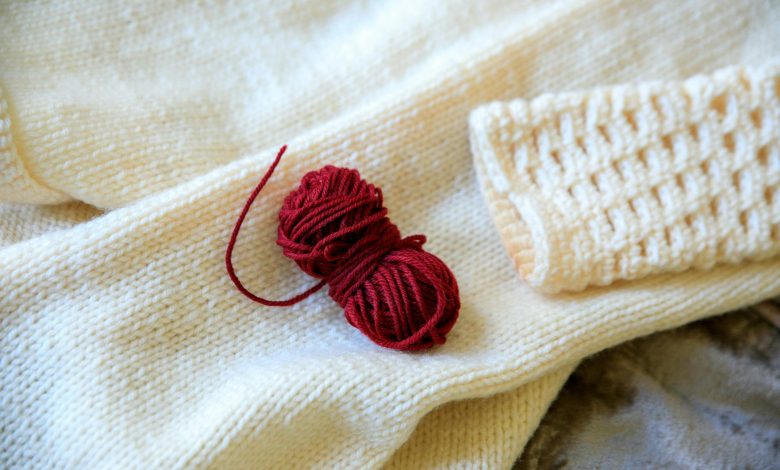
Take a moment to look at the clothes you are wearing; they most likely include animal fibres.
A woollen sweater on a cold morning. A silk saree worn on a wedding day. A shawl passed down through generations.
These everyday objects carry within them a fascinating story of biology, chemistry, physics, history, and human labour.
Long before synthetic fabrics flooded the market, humans relied on nature to stay warm, protected, and dignified.
Two of the most important natural materials that shaped clothing traditions across the world are wool and silk. Both are animal fibres, and both represent remarkable examples of how living organisms produce materials far more advanced than many modern inventions.
This is the story of how hair becomes warmth, how insects spin luxury, and how science quietly works its way from fibre to fabric.
What Are Animal Fibres and Why Do They Matter?
Fibres are long, thin, thread-like structures that can be spun into yarn and woven into fabric. They may come from plants, animals, or synthetic sources.
Cotton and jute are plant fibres. Nylon and polyester are synthetic fibres. Wool and silk are animal fibres.
Animal fibres are unique because they are made of proteins and possess properties that plants and synthetic materials often struggle to replicate.
They are warm, breathable, elastic, and durable. Most importantly, they evolved naturally to protect animals from harsh environments, and humans learned to borrow that protection.
Wool keeps us warm in winter because it traps air between its fibres. Air is a poor conductor of heat, which means it slows down the loss of body heat.
Cotton,which is a plant fiber , does not trap air as effectively. This is why a cotton jacket fails against cold winds while a woollen sweater feels comforting even in freezing temperatures.
Silk plays a different role. It is smooth, lustrous, lightweight, and surprisingly strong. It provides comfort without bulk, making it ideal for warm climates and ceremonial clothing.
Wool: Nature’s Winter Survival Technology
Wool comes from the hair of animals that live in cold or mountainous regions. The most common source of wool is sheep, but it is not the only one. Goats, yaks, camels, llamas, and alpacas also provide wool.
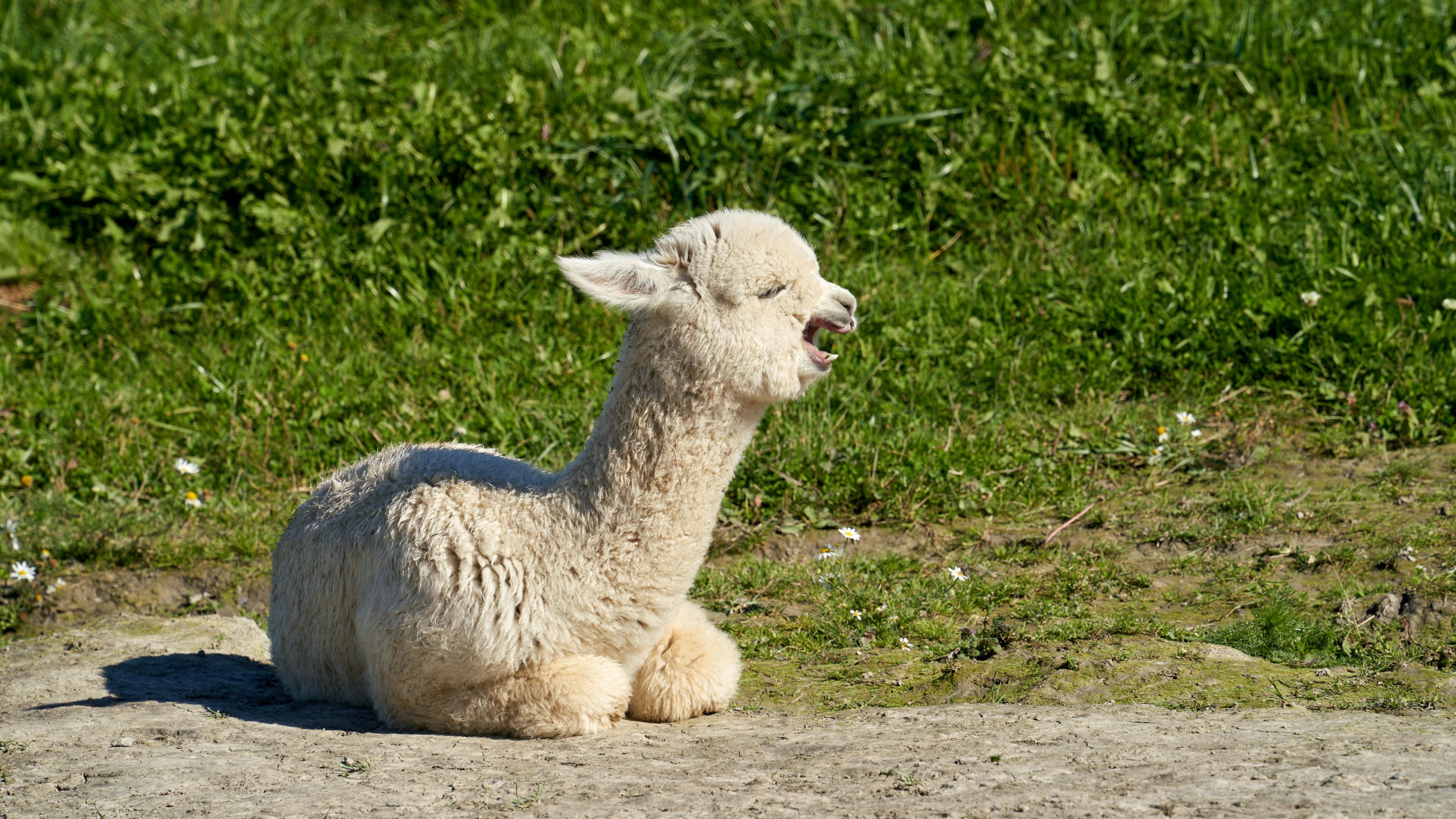
Animals that yield wool have thick coats of hair because hair traps air close to the skin. This trapped air acts as insulation and prevents heat loss. Over millions of years, evolution perfected this design. Humans later discovered that these same fibres could protect them as well.
Interestingly, the fleece of a sheep contains two types of hair. The coarse outer hair, also called beard hair, and the fine, soft under-hair close to the skin. It is the fine under-hair that is used to make wool. Some breeds of sheep naturally produce more of this soft fibre.
To improve wool quality, humans practise selective breeding. Sheep with softer and denser under-hair are chosen as parents so that future generations inherit these desirable traits. This is one of the earliest examples of applied genetics in agriculture.
Wool-Producing Animals and Indian Geography
India has a rich tradition of wool production that varies by region and climate.
Sheep wool is common across Rajasthan, Punjab, Haryana, Gujarat, Uttar Pradesh, Himachal Pradesh, and Jammu and Kashmir.
Yak wool is found in cold regions like Ladakh and Tibet. Angora goats produce fine wool in hilly areas of Jammu and Kashmir.
The under-fur of Kashmiri goats is used to make Pashmina shawls, which are famous worldwide for their softness and warmth.
Camel wool is used in desert regions. Llamas and alpacas are native to South America, but their wool has gained international popularity due to its lightweight and insulating properties.
Each animal, climate, and region contributes to a different texture, thickness, and quality of wool.
From Fleece to Fabric: How Wool Is Made
The woollen sweater you buy from a shop is the result of a long and careful process involving both science and skilled labour.
The first step is shearing. Once sheep develop a thick coat of hair, the fleece is shaved off using machines similar to electric trimmers used by barbers.
Shearing does not hurt the sheep because hair grows from dead skin cells at the surface. Just like a haircut does not hurt humans, sheep feel no pain during shearing. Their hair grows back naturally.
The second step is scouring. The sheared fleece contains grease, dust, dirt, and sweat. It is thoroughly washed in tanks or machines to clean it.
This step is crucial because impurities can weaken fibres and affect dyeing.
Next comes sorting. Wool fibres differ in texture and length depending on which part of the body they come from. These fibres are separated so that similar fibres can be processed together.
After sorting, burrs are removed. Burrs are small fluffy fibres or plant particles that get stuck in wool. Anyone who has seen tiny balls forming on sweaters has encountered burrs.
The fibres are then dyed. Natural wool is usually white, brown, or black. Dyeing allows wool to take on vibrant colours.
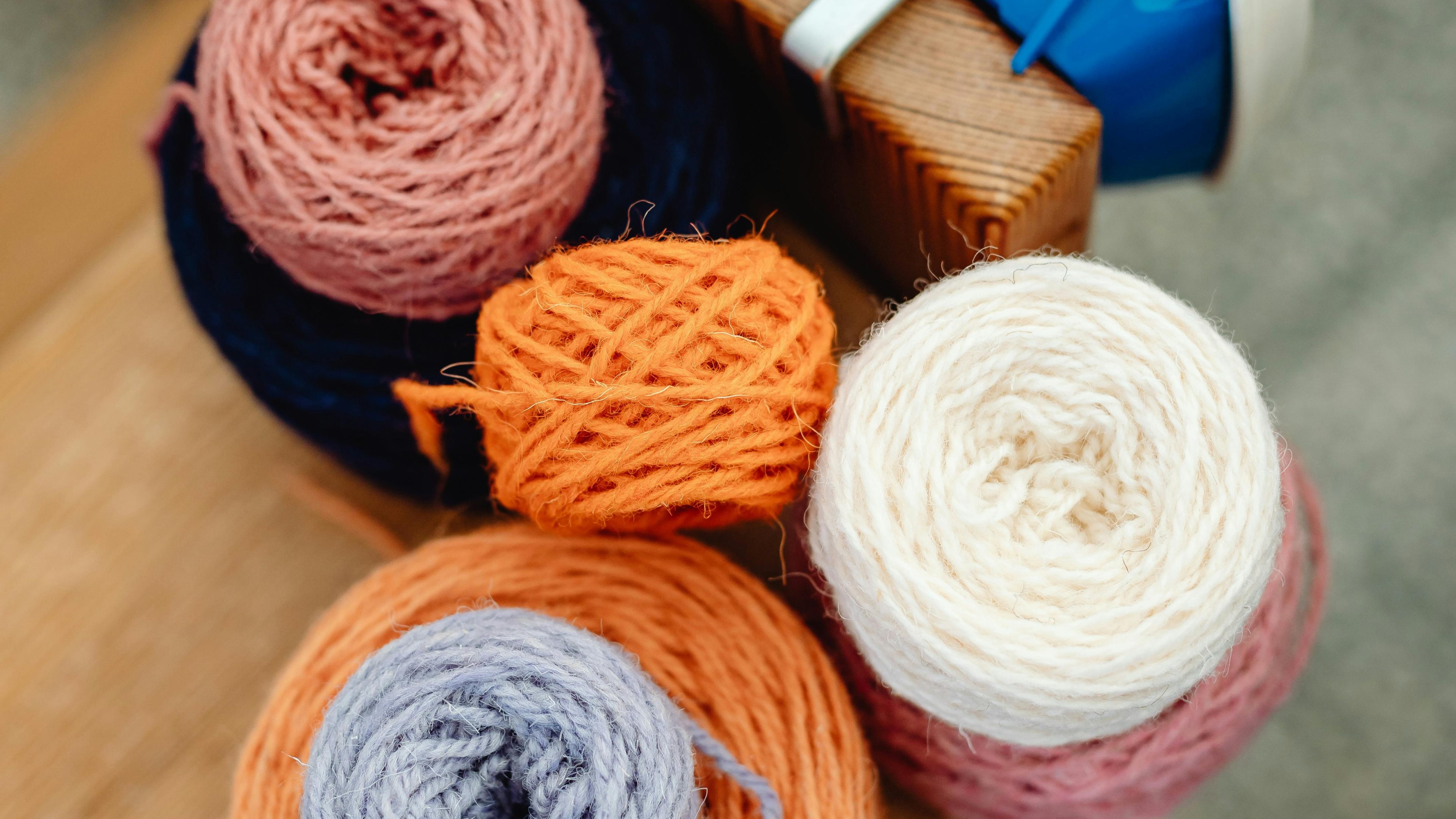
Finally, the fibres are straightened, combed, and rolled into yarn. Longer fibres are used for knitting sweaters, while shorter fibres are spun and woven into woollen fabric.This entire process turns raw animal hair into clothing that protects millions from cold
The Human Cost: Occupational Hazards in the Wool Industry
While wool is a valuable natural resource, its production comes with risks. Workers involved in sorting wool sometimes face exposure to bacteria such as anthrax, which can cause a fatal disease known as sorter’s disease.
Such risks are called occupational hazards. They remind us that behind every comfortable sweater is the labour of people who deserve safety, protection, and respect. Science education is incomplete without acknowledging these realities.
Silk: When Insects Create Luxury
Silk is one of the most fascinating materials produced by nature. Unlike wool, which comes from hair, silk comes from the cocoon of an insect called the silkworm.
Silk fibres are made of protein and are incredibly strong for their thickness. A silk thread of the
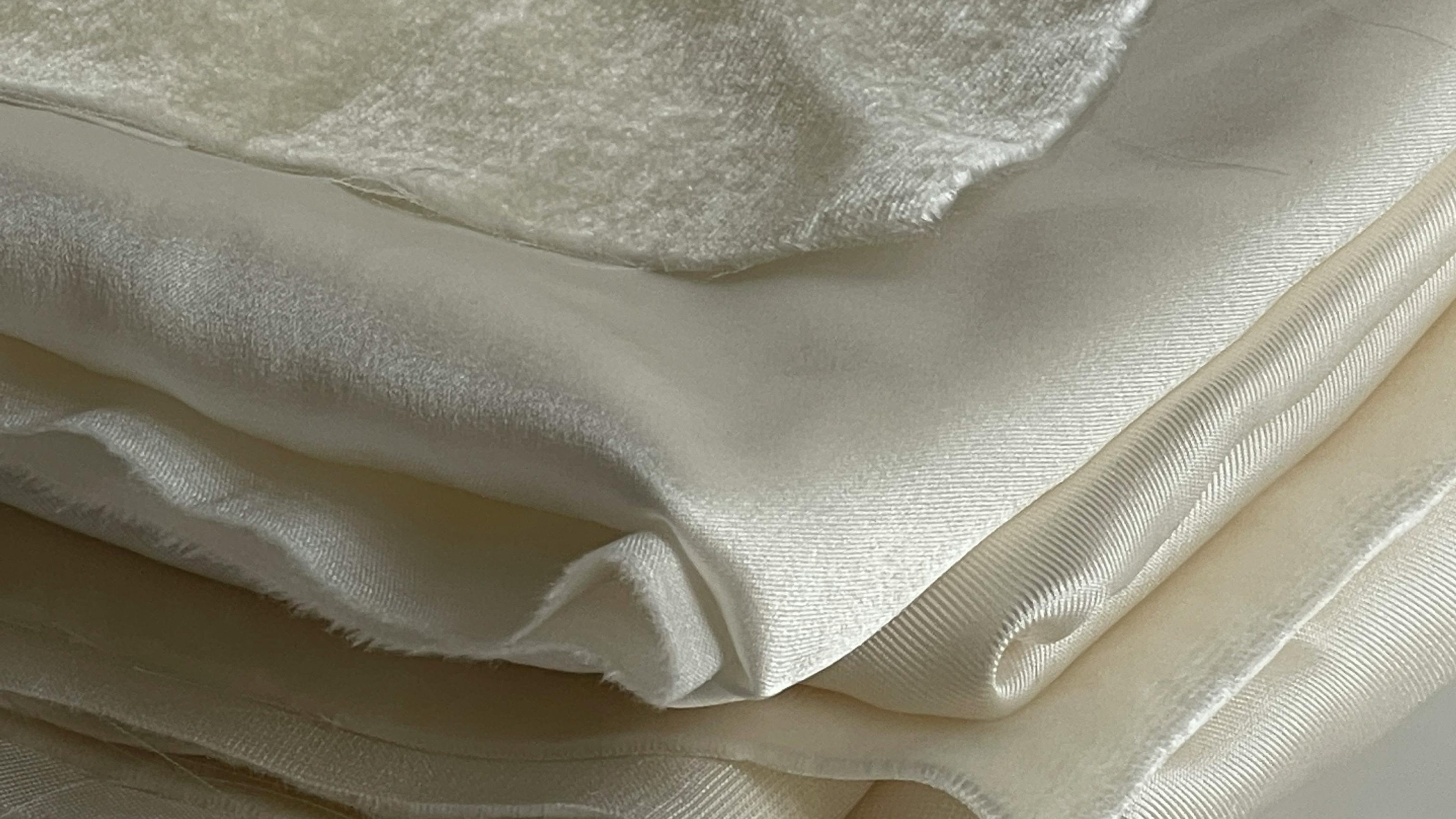
same width as a steel wire can be nearly as strong. Yet silk feels smooth and gentle against the skin.
The rearing of silkworms for silk production is called sericulture. This practice has existed for thousands of years and remains a major industry in India.
The Life Cycle of the Silk Moth
Understanding silk requires understanding the life cycle of the silk moth.
A female silk moth lays hundreds of eggs on mulberry leaves. These eggs hatch into larvae called caterpillars or silkworms. The silkworm stage is the most important for silk production.
Silkworms feed almost continuously on mulberry leaves. As they grow, they increase rapidly in size. When they are ready to enter the next stage of life, they begin spinning silk.
The silkworm secretes a protein-rich liquid from glands near its mouth. As this liquid comes into contact with air, it hardens into silk fibre. The silkworm moves its head in a figure-eight pattern, wrapping the fibre around itself and forming a cocoon.
Inside the cocoon, the silkworm transforms into a pupa and later into a moth. The cocoon protects the developing moth, but it also holds the silk fibres humans seek.
From Cocoon to Cloth: How Silk Is Made
Once cocoons are formed, they are collected for silk production. If the moth is allowed to emerge naturally, it breaks the cocoon and cuts the silk fibres.
To preserve long, continuous threads, cocoons are boiled, steamed, or dried in the sun.
Heat softens the sticky substance that holds the silk fibres together. The fibres are then unwound in a process called reeling.
Special machines help reel silk threads from multiple cocoons simultaneously.
These silk threads are spun into yarn and woven into fabric by skilled weavers. The result is silk cloth that is smooth, shiny, elastic, and breathable.
Different species of silk moths produce different types of silk. Mulberry silk is the most common and is known for its softness and shine.
Tassar, mooga, eri, and kosa silk have distinct textures and cultural significance in different regions of India.
Silk, History, and the Indian Economy
The discovery of silk is wrapped in legend. According to Chinese folklore, Empress Si-lung-Chi accidentally discovered silk when a cocoon fell into her cup of tea and unravelled into fine threads.
Silk production began in China and remained a closely guarded secret for centuries. Traders eventually carried silk across continents along routes that came to be known as the Silk Route.
India has played a major role in silk production for centuries. Even today, India ranks among the leading producers of silk in the world.
Women are deeply involved in sericulture, from rearing silkworms to reeling and weaving silk.
However, global concerns due to cruelty involved in the production process is diminishing the economic potential of silk.
Wool, Silk, and Synthetic Fibres: A Modern Comparison
In today’s markets, synthetic silk is much cheaper than natural silk. This is because synthetic fibres are mass-produced from petroleum-based chemicals and do not require time-consuming biological processes.
However, synthetic fibres often lack breathability, biodegradability, and comfort.
Burning tests reveal clear differences. Natural silk and wool smell like burning hair because they are made of protein. Synthetic fibres smell like burning plastic.
As sustainability becomes a global concern, natural fibres are regaining attention for being biodegradable and renewable.
Fibre to Fabric, Science to Society
The journey from fibre to fabric is not just a manufacturing process. It is a story of evolution, human ingenuity, and interdependence with nature.
Wool teaches us how trapped air can defeat cold. Silk shows us how an insect can outperform modern engineering. Both remind us that science exists not only in laboratories but also in fields, farms, forests, and living organisms.
The next time you wear a woollen sweater or admire a silk saree, remember that you are wrapped in biology, chemistry, physics, history, and human effort. That is the quiet brilliance of science in everyday life.